Sunday, February 9, 2025

Movie Review: Loveyapa (2025) – A Rollercoaster of Love, Trust, and Secrets

source
Director: Advait Chandan
Cast: Junaid Khan, Khushi Kapoor, Ashutosh Rana, Grusha Kapoor, Kiku Sharda
Genre: Romantic Drama, Comedy
Runtime: 137 minutes
Music: Composed by a talented group of artists, featuring songs like Tere Bina and Jhoothi Mohabbat.
Premise: A couple's relationship faces a crisis after they exchange phones at the insistence of the girl's father, leading to the discovery of hidden secrets.
Release Date: February 2025
Rating: 3.5/5

In today’s digital age, relationships can often feel like a balancing act between trust and privacy. Advait Chandan's Loveyapa delves into this modern dilemma, offering a gripping exploration of love, secrets, and the complexities of communication in relationships. Starring Junaid Khan and Khushi Kapoor in lead roles, Loveyapa presents a romantic drama with a twist. What starts as a lighthearted love story quickly turns into a rollercoaster ride of emotions when a simple exchange of phones pushes a couple to the edge.

Summary: When Love Meets Secrets

Arjun (Junaid Khan) and Aanya (Khushi Kapoor) are a young couple in love, navigating the ups and downs of their relationship. Everything seems perfect until Aanya’s father, played by Ashutosh Rana, suggests an unconventional “trust exercise”—they exchange their phones. What seems like a harmless gesture soon turns into a crisis when Arjun and Aanya uncover shocking secrets that each other had been hiding. The film delves deep into how a single action—such as opening up each other’s private space—can unravel the very foundation of trust in a relationship.

The couple’s journey is one of emotional turmoil, filled with moments of comedy, drama, and a fair amount of tension. As they grapple with the fallout of their exchanged secrets, they must decide if their relationship can survive or if the cracks are too deep to mend. With a runtime of 137 minutes, Loveyapa keeps audiences invested in its blend of humor, emotional depth, and societal commentary about modern love and the digital age.

source

Performances: Chemistry, Drama, and Raw Emotion

One of the film's standout aspects is the strong performances from the lead actors. Junaid Khan, making his debut, does a fantastic job of portraying Arjun’s emotional vulnerability. He brings depth to the character of a man who deeply loves his partner but is blindsided by the sudden collapse of trust in their relationship. Khan’s portrayal of Arjun’s internal conflict, between love and the shock of betrayal, is powerful and relatable.

Khushi Kapoor delivers a remarkable performance as Aanya. She brilliantly plays the character who is torn between love and familial expectations. Kapoor navigates Aanya’s journey from carefree love to a confrontation with painful truths, capturing both the strength and fragility of her character. The chemistry between Khan and Kapoor is palpable, making their on-screen relationship feel authentic and compelling.

Veteran actors like Ashutosh Rana, who plays Aanya’s father, add gravitas to the film. Rana portrays a father figure whose well-meaning actions inadvertently set off a series of events that lead to the couple’s emotional downfall. His performance is both nuanced and commanding, reflecting the traditional patriarchal values he represents. Kiku Sharda, who plays Arjun's quirky friend, provides moments of levity and humor, balancing the film's intense emotional moments with his lighthearted presence.

Music: The Heartbeat of the Film

Given that Loveyapa is centered around love and its intricacies, the music plays a significant role in shaping its emotional landscape. The soundtrack, which features a blend of romantic ballads and lively tunes, complements the film’s themes beautifully. The tracks add an extra layer of emotional depth, capturing both the joy and the complications of the characters' journey.

The soulful Tere Bina evokes the blissful early moments of the couple’s love, while Jhoothi Mohabbat mirrors the growing tension and heartbreak that builds as secrets are uncovered. The music moves seamlessly from light-hearted and fun to deep and reflective, echoing the shifts in the characters' emotional arcs. Overall, the soundtrack enhances the storytelling, pulling the audience deeper into the film's emotional highs and lows.

Conclusion: A Relatable and Thought-Provoking Drama

Loveyapa is a captivating romantic drama that examines the complexities of modern relationships in an age where privacy, trust, and communication are constantly tested. While the premise of the film—exchanging phones to build trust—might seem like a simple act, the repercussions that follow are anything but simple. Advait Chandan’s direction, combined with strong performances from Junaid Khan and Khushi Kapoor, makes Loveyapa an engaging and thought-provoking watch.

Though the film primarily focuses on the emotional journey of its lead characters, it also subtly critiques how technology has changed how we view relationships. Secrets that were once private are now just a click away, and Loveyapa highlights how these blurred boundaries can impact love and trust.

In conclusion, Loveyapa is a refreshing take on modern romance that successfully captures the nuances of love, trust, and the complications that arise when secrets are exposed. With strong performances, an engaging story, and a relatable exploration of digital-age relationships, it’s a film that will resonate with anyone who has experienced the fragility of trust in a relationship.

Movie Review: Do Patti (2024) – A Gripping Tale of Sibling Rivalry, Justice, and Family Secrets

source
 

Director: Shashanka Chaturvedi
Cast: Kriti Sanon, Kajol, Shaheer Sheikh, Tanvi Azmi, Brijendra Kala
Runtime: 127 minutes
Genre: Thriller, Drama
Rating: ★★★☆☆ (3/5)

Introduction

Sibling rivalry and family secrets often make for compelling stories, but Do Patti takes this to a whole new level. The 2024 thriller-drama, directed by Shashanka Chaturvedi, explores the toxic relationship between twin sisters, Soumya and Shailee, played by the talented Kriti Sanon. As we delve into a world of jealousy, domestic violence, and justice, the film presents a gripping narrative about emotional pain, sisterhood, and the fight for freedom. But does it deliver on its promises? Let’s find out!

Summary

Do Patti revolves around two very different twin sisters—Soumya (played by Kriti Sanon), a quiet and demure young woman, and Shailee, her rebellious and jealous counterpart. Soumya becomes the target of her sister's animosity after their mother’s death, with Shailee’s jealousy escalating over the years.

When Soumya gets involved with Dhruv (Shaheer Sheikh), a wealthy businessman, their romance seems perfect—until Dhruv’s temper begins to unravel, and the relationship turns toxic. After Soumya marries him, her life becomes a nightmare as she endures domestic violence. Shailee, meanwhile, acts out her bitterness by seducing Soumya’s husband, adding fuel to the already burning fire.

As Soumya's struggle for justice becomes more desperate, her grandmother (Tanvi Azmi) teams up with a tough-as-nails cop, Vidya Jyoti (Kajol), to take down Dhruv and expose the dark family secrets. The film touches on deep themes of domestic abuse, sibling rivalry, and the justice system, building a compelling narrative that keeps the audience on edge.

source

Performance

The real star of Do Patti is undoubtedly Kriti Sanon, who takes on the challenge of portraying two completely distinct characters—Soumya and Shailee. She seamlessly switches between the shy, innocent Soumya and the rebellious, vengeful Shailee, giving each sister a unique personality and voice. Sanon’s performance is heart-wrenching, especially as Soumya, a woman trapped in an abusive marriage. You’ll feel every emotion, from her fear to her resilience.

Shaheer Sheikh as Dhruv also delivers a nuanced performance. His character starts off charming, but as his temper and abusive tendencies unfold, you begin to see the darker side of his persona. Dhruv is not just a villain—he’s a broken man lashing out, and Sheikh manages to capture that complexity well.

Then there’s Kajol, whose portrayal of Vidya Jyoti, the relentless police officer, brings a sense of strength and hope to the story. Her character is determined, resourceful, and ready to go the extra mile to bring justice to the victims of abuse.

Lastly, Tanvi Azmi brings warmth and wisdom to her role as Soumya's grandmother, offering guidance and support in the face of insurmountable odds. The performances across the board are powerful, making the emotional stakes of the film feel real and immediate.

Music and Songs

The music in Do Patti complements the film's somber and tense tone. While it doesn’t feature any standout chartbusters, the background score does a great job of building tension, especially during the darker moments. The songs aren’t the focus here, and the soundtrack serves more as a tool to heighten the atmosphere and emotions rather than steal the spotlight. However, the soundtrack is subtle and effective, adding to the overall suspenseful mood of the movie.

One of the key tracks, which plays during pivotal emotional moments, adds a layer of melancholy to Soumya’s struggle, amplifying the pain of her journey. The score truly shines when the focus is on justice and resilience, giving a sense of hope after the long period of suffering.

Facts About Do Patti

  1. Dual Roles – Kriti Sanon takes on the challenging role of playing twin sisters, Soumya and Shailee, showcasing her range as an actress. This dual performance is one of the highlights of the film, as Sanon brings both characters to life in a way that makes you feel deeply for both.

  2. Tough Themes – The film doesn’t shy away from addressing difficult and important social issues, such as domestic abuse and toxic relationships. It aims to spark conversations about the impact of such issues on victims, especially women.

  3. Kajol’s Comeback – Kajol’s role as a determined cop in Do Patti marks another strong comeback for the actress. After a string of successful films, she continues to impress with her ability to bring depth and strength to her characters.

  4. Shaheer Sheikh’s Transformation – Known for his charming roles in television, Shaheer Sheikh takes on a darker, more complex role in Do Patti. His portrayal of Dhruv is a departure from his usual image, and his performance adds a chilling intensity to the film.

source
Final Thoughts

Do Patti is a rollercoaster ride of emotions, drama, and suspense. While it shines through its stellar performances—especially from Kriti Sanon, who nails both her roles—the film struggles a bit with pacing towards the end. Despite its slow third act, Do Patti offers a compelling, thought-provoking story that is worth watching, especially for those interested in strong performances and dramatic twists.

So, what did you think about the film? Do you feel Kriti Sanon nailed both roles? Or do you wish the finale had a little more punch? Let’s talk in the comments below! 👇🎬


Air Pollution in India: A Growing Crisis

Air pollution is a major cause of the decline in the yield of agricultural crops. Rice and wheat are two grains that are the major staple food hit by pollution. Air pollution is affecting the society in large amount   either its agriculture or human health. it is getting affected in large amount. people are having health issues like lung cancer and breathing issue asthma, heart disease, heart stroke, chronic obstructive pulmonary disease (COPD), and diabetes. In 2019, Air pollution caused about 2.7 million deaths. At present the temperature outside is range between 22 degrees Celsius, while night-time temperatures fluctuate between 9 degrees Celsius and 11 degrees Celsius. for the past few weeks, Delhi air quality was recorded in the 'poor' and 'very poor' categories. This is the time in February that the AQI has improved to the moderate range. Experts and IMD forecast had previously indicated a likely improvement in air quality over the coming days.
Major source of pollution in include inefficient modes of transport (polluting fuels and vehicles), inefficient combustion of household fuels for cooking, lighting and heating, coal fired power plants, agriculture, and waste burning.
source
Air pollution in India is not just a problem; it's a silent killer that affects millions of people every year. As cities grow and industries expand, the air we breathe gets dirtier, and the consequences are dire. It's hard to escape the reality of it—whether you're living in a bustling metropolis like Delhi or a smaller town, the air quality affects us all.
source

The Scale of the Problem

India has some of the worst air quality in the world, and it’s getting worse. Cities like Delhi regularly top the global charts for pollution, with the air quality reaching dangerous levels, especially during the colder months. Imagine stepping outside and feeling the weight of the pollution in the air—your chest tightens, and you can taste the smog. This is the reality for millions of people, and it’s not just an inconvenience; it’s a matter of life and death.

According to the World Health Organization (WHO), 22 out of the 30 most polluted cities are in India. Delhi, for instance, frequently sees its Air Quality Index (AQI) cross hazardous levels, putting its 20 million residents at risk.

What’s Behind the Smog?

  1. Vehicular Emissions: Our love for cars is taking a toll on the air. There are more cars, trucks, and buses on the roads than ever before, each one spewing out toxic fumes. These emissions contain harmful pollutants like nitrogen oxides and particulate matter, which can travel deep into our lungs and bloodstream, causing lasting damage.

  2. Industrial Pollution: As India’s industries grow, so does their impact on the environment. Factories, power plants, and construction sites release pollutants into the air, making it harder to breathe. In many places, the air is thick with soot and smoke, and with little enforcement of environmental regulations, things are only getting worse.

  3. Burning Crop Stubble: Every year, during harvest season, farmers in states like Punjab and Haryana set fire to their fields to clear them for the next crop. This creates a massive cloud of smoke that drifts into neighboring cities like Delhi, choking them with harmful pollutants. It's a practice that harms the environment and puts millions of lives at risk.

  4. Construction Dust: In every major city, there’s a construction boom happening, and while new buildings go up, so does the dust. The fine particles from construction sites get kicked up into the air, adding another layer of pollutants to an already toxic atmosphere.

  5. Deforestation: Trees help clean the air by absorbing carbon dioxide and releasing oxygen. But as forests are cleared for urban development, there are fewer trees to filter the air. Without them, more carbon dioxide and other pollutants accumulate, making the air even worse.

  6. Burning Waste: In many parts of India, people burn household garbage, including plastics, which releases toxic chemicals into the air. Not only is this harmful to the environment, but it directly affects the people who live nearby.


Health Impacts: A Crisis in the Making

The health effects of air pollution in India are staggering. According to the Lancet, air pollution is responsible for more than 1.6 million deaths each year in India. That’s over 4,000 people a day. Many of these deaths are due to heart disease, respiratory issues, and strokes—conditions made worse by long-term exposure to polluted air.

Children, the elderly, and people with pre-existing health conditions are especially vulnerable. For kids, breathing polluted air can stunt lung growth, leading to long-term respiratory problems. But even healthy adults are not immune—continuous exposure can cause chronic diseases that affect our quality of life for decades.

The mental health impact is also undeniable. Chronic exposure to poor air quality can cause stress, anxiety, and depression, especially when people feel powerless to change their environment.

The Economic Toll: A Price We Can’t Afford

Beyond the physical and mental toll, air pollution comes with a hefty economic cost. It's estimated that air pollution costs India around $36 billion a year in lost productivity due to illness and premature deaths. That’s money that could be better spent on education, healthcare, and infrastructure—but instead, it goes toward treating diseases and dealing with the fallout of pollution.

Air pollution also hurts industries like agriculture and tourism. Crops are damaged, and people are less likely to visit polluted cities, affecting livelihoods and economic growth.

What’s Being Done?

The Indian government has started to take action. Programs like the National Clean Air Program (NCAP) aim to reduce pollution by 20-30% in over 100 cities by 2024. There's also a push for electric vehicles, cleaner fuels, and better waste management practices. In some cities, there are even odd-even vehicle schemes to reduce the number of cars on the road.

But these efforts are far from enough. The problem is so massive that individual action feels small in comparison. Public awareness is key. If people don’t understand the dangers of air pollution, they won’t push for the change that’s needed.

source

What Can We Do?

As citizens, we have the power to help combat air pollution. The first step is to recognize that this is everyone’s problem, not just a government or corporate issue. We can reduce our carbon footprint by using public transportation, carpooling, or cycling. Choosing electric vehicles and supporting green initiatives are small steps that add up.

On a larger scale, advocating for stricter environmental regulations and better urban planning is essential. More green spaces, cleaner energy sources, and a commitment to reducing waste all play crucial roles in turning this crisis around.

Conclusion: It’s Time to Breathe Easy

Air pollution in India is no longer just an environmental issue—it’s a public health emergency. The impact on our health, economy, and environment is far-reaching, but the solutions are within our grasp. It will take collective action from the government, industries, and everyday citizens to make a difference.

In the end, clean air is a basic right. Let’s work together to protect it—for ourselves, our children, and future generations. If we don’t, the consequences will be too great to ignore. The time to act is now.


Saturday, January 25, 2025

The Fascinating World of Pepper's Ghost

Have you ever wondered how ghostly apparitions appear on stage or in museum exhibits? The Pepper's Ghost illusion, a brilliant play on light and reflection, has been enchanting audiences since the mid-19th century. This blog dives deep into the technical and creative brilliance behind this classic optical illusion.

What is Pepper's Ghost?

Pepper's Ghost is an optical illusion technique that creates the appearance of a ghostly, semi-transparent figure in a scene. The method was popularized by John Henry Pepper in the 1860s, though the principles of light reflection that it relies on were understood much earlier.

This illusion leverages the properties of partial reflection and transmission of light using a transparent medium such as glass or acrylic. The result is a stunning visual trick that can blend two separate images seamlessly, making one appear ghostly or otherworldly.

How Does the Illusion Work?

The illusion is created using a carefully arranged setup involving:

  1. A Transparent Pane:

    • A piece of glass or acrylic is positioned at a 45° angle to the viewer’s line of sight. This pane acts as both a window and a mirror, partially reflecting one image while allowing another to pass through.
  2. Two Light Sources:

    • Primary Scene (Visible Image): This is the main object or scene that the viewer sees directly through the glass.
    • Secondary Scene (Reflected Image): A second object, hidden from direct view, is positioned to the side or below the glass. This image is reflected onto the pane.
  3. Light Intensity Control:

    • The relative brightness of the two scenes is manipulated to control what the viewer perceives. By dimming the primary scene and increasing the light on the secondary scene, the ghostly image appears to emerge or transform before the viewer's eyes.

The Technical Details

Let’s break this down further:

Reflection and Transmission

  • The transparent pane reflects about 4-10% of the light from the secondary image while allowing the majority of light from the primary image to pass through. This balance creates the illusion of a ghostly figure superimposed on the primary scene.

Angle of Placement

  • The 45° angle is critical. It ensures that the reflected image aligns perfectly with the viewer’s line of sight. Deviating from this angle can distort the illusion.

Lighting Techniques

  • Bright Primary Scene: When the primary image is well-lit and the secondary is dark, the viewer sees only the primary image.
  • Transition: Gradual dimming of the primary scene while increasing the light on the secondary image makes the ghostly figure appear or transform smoothly.
  • Complete Illusion: When the secondary scene is brightly lit and the primary is darkened, the ghostly figure dominates the viewer’s perception.

Human Perception

  • The brain merges the reflected image with the transmitted image into a single scene. This blending is why the ghostly figure appears to be a natural part of the primary scene.

Applications of Pepper's Ghost

This ingenious illusion has found applications across various fields, including:

  1. Theater:

    • In theatrical productions, Pepper’s Ghost is used to create supernatural effects, such as ghostly apparitions or characters disappearing into thin air. Charles Dickens’s The Haunted Man was one of the first notable uses of this illusion.
  2. Museums and Exhibits:

    • Museums use this technique to bring historical figures or concepts to life, creating hologram-like effects that captivate visitors.
  3. Amusement Parks:

    • Haunted houses and theme park rides, such as Disney’s Haunted Mansion, utilize Pepper’s Ghost to deliver immersive, otherworldly experiences.
  4. Retail and Advertising:

    • High-end product displays use this illusion to make objects appear futuristic or magical.
  5. Education:

    • Interactive science exhibits use Pepper’s Ghost to demonstrate the principles of optics and light behavior in an engaging manner.

DIY: Creating Your Own Pepper's Ghost

If you’re inspired by this illusion and want to try it yourself, here’s a simplified version:

  1. Materials Needed:

    • A piece of clear glass or acrylic.
    • A bright light source (flashlight or LED).
    • Two objects or images.
  2. Setup:

    • Position the glass at a 45° angle between your primary and secondary objects.
    • Place the primary object directly in front of the viewer and the secondary object to the side or below.
  3. Lighting:

    • Dim the room and use individual light sources to illuminate the primary and secondary objects alternately.
    • Experiment with the intensity of the light to create the ghostly effect.
  4. Observation:

    • Look through the glass and watch the ghostly image emerge or transform.

The Science Behind the Magic

The Pepper’s Ghost illusion elegantly showcases fundamental principles of physics and optics. It demonstrates how:

  • Light can behave both as a transmitted and reflected wave.
  • The human brain perceives superimposed images as part of a single coherent scene.
  • Simple adjustments in lighting and angles can manipulate our perception.

Conclusion

Pepper’s Ghost is a timeless illusion that combines science, art, and creativity. Its simplicity and versatility make it a favorite for creating magical experiences in theaters, museums, and beyond. The next time you see a ghostly figure on stage or in an exhibit, you’ll know the brilliant science behind the magic!

To explore more click on the given link "Video"... and to see more exciting and  real models do visit "Pushpa Gujral Science City, Jalandhar" "Place"...
And also click on this Link to see another magic.

The Fascinating Illusion of the Rotating Mask

Pushpa Gujral Science City

In the world of optical illusions, the "Rotating Mask" is a classic exhibit that captures attention due to its ability to challenge our perception. This illusion tricks the human brain into interpreting motion and depth in unexpected ways. Let’s dive into how this works and the science behind it.

The Setup

The Rotating Mask exhibit typically features a concave mask (the inside of a face mold) that gives the illusion of being convex (the outer surface of a face). When you observe the mask from a distance and move side to side, the face appears to follow your movement, creating a rotating effect.

The Science Behind the Illusion

1. Perception of Depth:

The human brain is hardwired to interpret faces as convex due to prior experience. When we encounter a face-like object, our brain assumes that it is sticking outwards, even when it is actually concave. This is why the concave mask appears to us as a normal, convex face.

2. Motion Parallax:

As you move from one side to another, the brain expects distant objects to move slower and closer objects to move faster. However, in the case of the rotating mask, the features of the concave face move in the opposite direction, creating a contradictory perception of depth and motion. This opposing motion makes it look as though the face is rotating to follow your movements.

3. The Rotational Effect:

The illusion also plays on the principles of relative motion. The sections of the face that appear farther away (like the nose of the mask) seem to move more noticeably than the surrounding features. This creates a dynamic rotational effect that makes the mask appear alive.

Everyday Analogy:

You might have noticed a similar phenomenon while sitting in a moving vehicle. Objects that are farther away, such as trees, seem to follow you, while nearer objects move in the opposite direction. This is due to motion parallax, which is also a key factor in the Rotating Mask illusion.

Why Does This Happen?

  • Concave Shape Misinterpretation: Our brain’s tendency to default to convex interpretations of faces is known as the "hollow-face illusion." It prioritizes facial recognition as a survival instinct, ensuring we can quickly identify and interpret human faces.

  • Optical Depth Cues: Shadows, highlights, and angles contribute to the illusion by enhancing the three-dimensional effect.

Fun Experiment:

  1. Stand at least 10 feet away from the mask.
  2. Move slowly from one side to the other while keeping your eyes on the mask.
  3. Notice how the face appears to follow your movement, and how its rotation contradicts your expectations.

Applications in Art and Technology

The principles demonstrated by the Rotating Mask are used in various fields, including:

  • Art Installations: To create visually stunning exhibits that engage audiences.
  • Virtual Reality: To design environments that play with depth perception.
  • Psychology Studies: To explore how humans perceive and interpret visual stimuli.

The Rotating Mask is more than just a fun exhibit—it’s a window into how our brains interpret the world. By leveraging simple shapes and movement, this illusion offers a profound look at the complexities of perception and cognition. Next time you encounter such an illusion, take a moment to appreciate the science working quietly in the background!

To explore more click on the given link "Video"... and to see more exciting and  real models do visit "Pushpa Gujral Science City, Jalandhar" "Place"...
And also click on Link this to see magic..

Example

AI

Here’s the image of a haunted house hallway featuring a concave mask illusion. The mask gives off an eerie vibe, as its eyes seem to follow you while walking past. 

Thursday, January 23, 2025

Have you Eaten Frozen Food Items or Instant cooked food??

Yes, I am talking about those food product that has been preserved by freezing and it don't took time to cook .

"Ready to Eat items"..

What firstly comes to your mind when I talk about instant food??
Noodles :) isn't it?

Source

Well, it is very convenient meal options, frozen food and instant cooked food are two popular categories that people often turn to. Though they both offer convenience, they are quite different in terms of preparation, storage, and taste. So, let's understand their key differences and which might be the best fit for your needs. 

Frozen Food

So, What Is It ? Frozen food refers to products that have been preserved by freezing. The freezing process locks in the freshness, flavour, and nutrients of food, allowing it to be stored for long periods without spoiling. This category includes everything from frozen vegetables and meats to pre-cooked meals, frozen pizzas, and desserts. So let's look over some example to make your understanding better..

source

  • Frozen Meals: Pre-packaged meals like frozen pizzas, lasagne, and ready-to-heat.
  • Frozen Vegetables & Fruits: Broccoli, peas, spinach, berries, and more.
  • Frozen Snacks & Appetizers: Items like frozen French fries, chicken nuggets.
  • Frozen Desserts: Ice creams, sorbets, and frozen yogurt. 

  • Let's dive more into this and know there pros and cons:

    Pros of Frozen Foods:

    1. Nutrient Retention: Frozen foods, especially vegetables and fruits, are often frozen right after harvesting, locking in vitamins and minerals. In some cases, frozen produce may even have more nutrients than fresh produce that has been sitting in stores for days.

    2. Long Shelf Life: Frozen foods last longer than fresh food, making them a great option for stocking up and reducing food waste. With the right freezer storage, you can store foods for months without worrying about spoilage.

    3. Versatility and Variety: From frozen fruits to full meals, frozen foods come in a wide range of options. Whether you're cooking up a homemade dish with frozen vegetables or grabbing a frozen dinner for a busy night, the possibilities are endless.

    4. Healthier Options Available: Many frozen foods, like vegetables, fruits, and fish, contain no added preservatives, sugars, or unhealthy fats. You have complete control over how you prepare them.

    5. Less Food Waste: Because frozen foods last longer, they reduce the likelihood of food going to waste. You can buy in bulk and take out only what you need.

    Cons of Frozen Foods:

    1. Additives in Some Frozen Meals: While plain frozen veggies or fruits are healthy, some frozen meals are packed with sodium, unhealthy fats, and preservatives to enhance flavour and shelf life. It's important to check the nutrition labels.

    2. Freezer Space: Storing a large amount of frozen food requires adequate freezer space. For those with small freezers or limited space, this can be an issue.

    3. Quality Can Vary: While freezing helps preserve food, the texture of some items (like certain fruits or pre-cooked meals) can be affected, especially if they have been frozen for too long or improperly stored.

    4. Energy Use: Freezing food requires energy, both in manufacturing and home storage. This can have a small environmental impact, particularly if you store large quantities of frozen food.

    Instant Foods

    So, What Are Instant Foods? Instant foods are pre-cooked, pre-packaged foods that require little preparation, often only needing hot water or a microwave to prepare. Examples include instant noodles, pre-made microwave meals, and even instant oatmeal. So let's look over some example to make your understanding better..

    source
    •  Instant Noodles- Nissin Top Ramen, Maruchan Instant Lunch, or Cup Noodles.
    •  Instant Oatmeal- Quaker Instant Oats or Nature Valley Instant Oats.
    •  Microwaveable Frozen Meals- Lean Cuisine, Healthy Choice, Stouffer's Frozen Dinners.
    •  Instant Rice or Quinoa- Uncle Ben’s Ready Rice, Minute Rice.
    • Instant Soup - Campbell’s Chunky Soup, Knorr Instant Soup, or Maruchan Instant Soup.
    •  Instant Mashed Potatoes - Idahoan Instant Mashed Potatoes or Betty Crocker Instant Mashed .
    •  Instant Mac and Cheese- Kraft Mac & Cheese, Annie’s Instant Mac and Cheese.
    •  Instant Protein Shakes- Herbalife, Slim Fast, or Premier Protein Shakes.
    Let's dive more into this and know there pros and cons:

    Pros of Instant Foods:

    1. Ultimate Convenience: Instant foods are the epitome of quick and easy meals. Whether it's heating up a microwaveable meal or adding hot water to instant noodles, you can have a meal ready in just minutes, making them perfect for busy schedules.

    2. Affordable and Accessible: Instant foods are often cheaper than fresh or frozen foods, making them a budget-friendly option for those looking to eat on a tight budget. They're also available at most grocery stores and are easy to find.

    3. Portability: Many instant foods come in single-serving packages, making them easy to take on the go. Whether you're at work, in class, or traveling, instant foods are a convenient snack or meal that can be eaten anywhere.

    4. No Cooking Skills Needed: Instant foods require minimal preparation or cooking skills. If you're new to cooking or simply don't want to deal with complex recipes, instant foods provide a quick solution without the need to cook from scratch.

    5. Long Shelf Life: Like frozen foods, instant foods have a long shelf life, often lasting months or even years in your pantry, reducing the need for frequent grocery runs.

    Cons of Instant Foods:

    1. Nutritionally Empty: Many instant foods are low in nutritional value, often lacking essential vitamins, minerals, and fibre. Instant noodles, for example, are often high in refined carbs and low in protein and other nutrients.

    2. High in Sodium, Sugar, and Unhealthy Fats: Instant meals, particularly things like microwaveable dinners and snack foods, are often loaded with sodium, added sugars, and unhealthy fats to enhance taste and preservation. This can contribute to health problems like high blood pressure and obesity if consumed regularly.

    3. Artificial Additives and Preservatives: Instant foods are often full of artificial flavourings, colors, and preservatives to improve shelf life and taste. These additives may have long-term health effects when consumed frequently.

    4. Not Filling: Because many instant foods are low in protein and fibre, they can leave you feeling hungry shortly after eating. Unlike balanced meals with whole foods, instant meals might not provide sustained energy.

    5. Packaging Waste: Instant foods often come in single-use plastic or non-recyclable packaging, contributing to environmental waste. The growing concern over plastic pollution makes this a significant drawback for those concerned about sustainability.

    Frozen Foods vs. Instant Foods: Which Is Healthier?

    When it comes to health, frozen foods tend to have the upper hand, particularly if you're opting for whole, minimally processed options like frozen vegetables, fruits, and lean proteins. Frozen foods are often closer to their natural state, and you can avoid unhealthy additives and preservatives if you choose wisely. Plus, you have control over how you prepare them, meaning you can add healthy ingredients like olive oil, herbs, or spices for extra flavour without the need for processed sauces or flavour enhancers.

    Instant foods, while convenient, are typically more processed and often contain higher amounts of sodium, unhealthy fats, and artificial ingredients. If you consume them regularly, they can contribute to weight gain, heart disease, and other health issues. That said, the instant food market is slowly evolving to offer healthier options, so it’s possible to find lower-sodium, more nutrient-dense meals. However, these tend to be the exception rather than the norm.

    Conclusion: The Best Choice for Your Lifestyle

    So, which is the better option for you—frozen or instant foods?

    • Frozen foods are the clear winner if you're looking for a healthier, more nutritious option. They offer greater versatility, fewer unhealthy additives, and retain their nutritional value longer. If you have space in your freezer and want more control over your meals, frozen foods are the way to go.

    • Instant foods are ideal if you're pressed for time or need something cheap and portable. They’re a lifesaver in moments of extreme convenience, but they shouldn’t be relied on as your primary source of nutrition. Choose instant foods wisely and limit their consumption to occasional use.

    Ultimately, both types of food have their place in our busy lives. The key is moderation and making informed choices. By balancing frozen whole foods with the occasional instant meal, you can enjoy convenience without sacrificing your health.

    Thursday, January 16, 2025

    Why Ocean Pollution Should Concern Us All ??

    Ocean pollution is one of the most pressing environmental challenges facing our planet. With the increasing damage to marine life, ecosystems, and human health, it’s more important than ever to understand the extent of this crisis and what we can do to address it. From plastic waste to agricultural runoff, the ocean is being inundated with pollutants that threaten not just marine life, but the entire planet. The time to act is now.

    source
    Shocking Ocean Pollution Stats

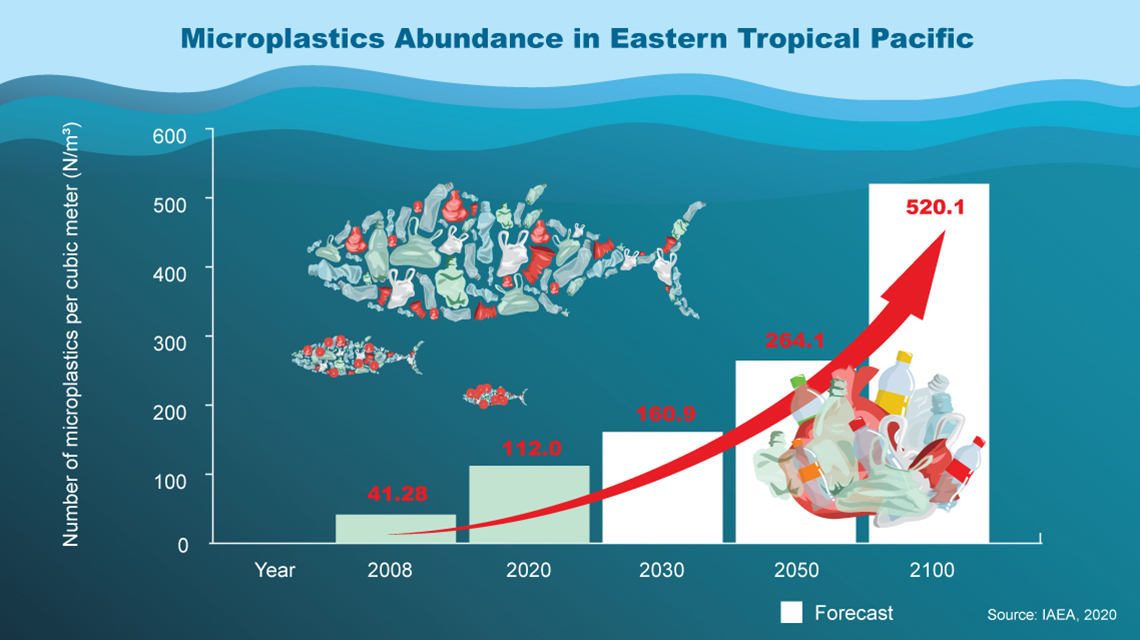
    Every year, an estimated 8-10 million metric tons of plastic enter our oceans, contributing to a staggering 75-199 million tons of plastic waste already polluting marine environments. If we continue on this trajectory, by 2050, there will be more plastic in the ocean than fish. Plastic waste is especially harmful to marine life, affecting over 817 species, including iconic creatures like sea turtles, whales, seals, and seabirds.

    But the issue isn’t just plastic. Around 80% of ocean pollution stems from agricultural runoff, untreated sewage, and chemical discharges. These pollutants cause harmful algal blooms that deplete oxygen levels in the water, creating "dead zones" where marine life cannot survive. There are currently over 500 dead zones around the world, which have devastating consequences for biodiversity and fisheries.

    The Economic Toll

    Ocean pollution is not just a threat to the environment—it’s a financial burden as well. The global economic impact of ocean pollution is estimated to be between £375 billion and £1.875 trillion annually. This includes losses in industries like fishing and tourism, as well as the staggering costs of clean-up efforts. In the U.S. alone, plastic pollution led to a £191 million revenue loss in 2018.

    Source

    What’s Driving Ocean Pollution?

    The primary culprits of ocean pollution are plastic waste, agricultural runoff, and oil spills. A significant portion of plastic waste comes from land-based sources, especially rivers and coastlines. Items like plastic bags, bottles, and food wrappers are the biggest contributors. Meanwhile, agricultural runoff, which is filled with harmful chemicals such as fertilizers and pesticides, pollutes our oceans, fueling algal blooms that destroy marine habitats.

    Countries in Asia, particularly the Philippines and India, are the largest contributors to ocean plastic pollution, accounting for a significant share of the 8 million metric tons of plastic waste that enter the ocean each year.

    What Can We Do About It?

    The good news is that solutions are emerging. Many organizations and individuals are working tirelessly to clean up our oceans and develop sustainable alternatives to plastic. Below are some of the innovative technologies and actions that could help us tackle ocean pollution.

    1. Ocean Clean-up Arrays: Harnessing Ocean Currents

    One promising solution comes in the form of ocean clean-up arrays—large floating barriers that work with ocean currents to trap plastic waste. Once the plastic is collected, it can be safely recycled or disposed of. These systems are currently being tested in polluted areas like the Great Pacific Garbage Patch, and with further development, they could help clean large areas of the ocean.

    2. Plastic-Eating Bacteria: Nature’s Solution to Plastic Waste

    What if bacteria could help us clean up the ocean? Researchers are exploring the use of plastic-eating bacteria, which can break down plastic into harmless by-products. While these bacteria already exist in nature, scientists are working to enhance their ability to digest plastic. If successful, this could offer an eco-friendly solution to the ocean plastic crisis.

    3. Autonomous Underwater Drones: Eyes Beneath the Waves

    Understanding the extent of ocean pollution is key to tackling it. Autonomous underwater drones are unmanned vehicles equipped with cameras and sensors that can survey marine environments, monitor pollution levels, and collect data on ocean health. These drones provide valuable information on pollution hotspots and can help guide more efficient and targeted clean-up efforts.

    4. Biodegradable Materials: Reducing the Problem at the Source

    The best way to fight ocean pollution is by preventing it in the first place. Researchers are working on biodegradable materials as alternatives to single-use plastics. Unlike traditional plastics that can take hundreds of years to break down, these new materials decompose naturally, leaving no harmful trace behind. If widely adopted, biodegradable plastics could significantly reduce the amount of waste that ends up in the ocean.

    source

    The Road Ahead

    While these innovative solutions give us hope, the challenge remains vast. We must continue to support research, invest in new technologies, and implement policies that reduce plastic production and improve waste management. As individuals, we can make a difference by reducing our plastic consumption, supporting sustainable businesses, and advocating for policy changes.

    The future of ocean clean-up lies in innovation, and with continued research and investment, we can make significant strides in turning the tide on ocean pollution. Every small action—whether it’s reducing plastic use, supporting clean-up initiatives, or pushing for stricter waste management—can have a big impact.

    The Path Forward: Protecting Our Oceans for Future Generations

    The situation is urgent, but we still have time to make a difference. By supporting policies that limit plastic production and improve waste management, we can drastically reduce the amount of plastic entering the ocean. Raising awareness, making sustainable choices, and supporting clean-up efforts are all part of the solution.

    Our oceans are not just bodies of water—they are the lifeblood of our planet, supporting countless species and regulating the Earth’s climate. If we work together to tackle ocean pollution, we can help restore the health of our oceans and protect the life they sustain for future generations.


    One India One World at LPU: Goa and Uganda Shine in Journalism and Mass Communication Stall

    One India One World festival at Lovely Professional University (LPU) was a spectacular display of cultural fusion and creativity, with the...